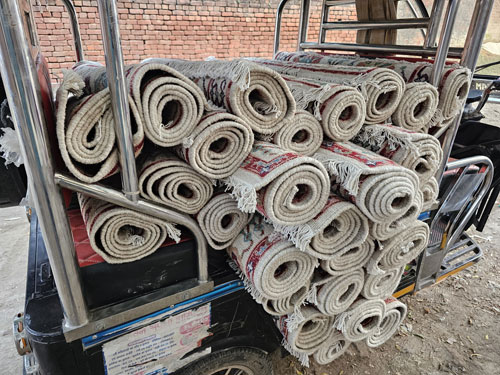
RUG MAKING PROCESS

Rug Fusion is one of the most preferred handmade Indian rugs manufacturers.
Our products are manufactured both in house as well as out sourced. We are able to work with and support specialist artisans in many different locations, but ensure the highest quality in the end results.

Wool

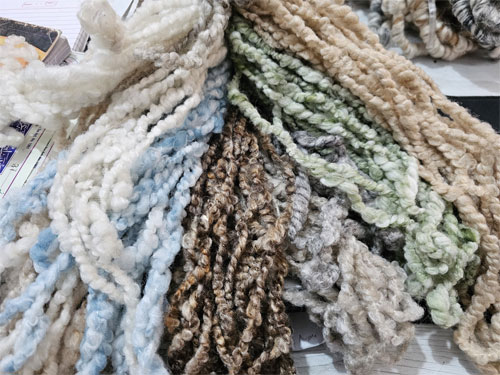
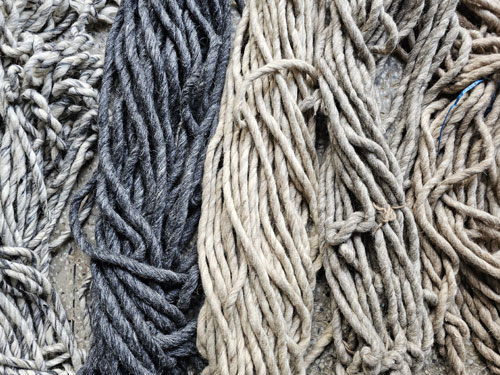
Wool is one of the most prized natural fibers in the rug industry due to its strength, resilience, and luxurious feel. Selecting the right wool is fundamental to crafting high-quality rugs that are not only beautiful but also durable and long-lasting.
In rug making, wool is not just a material — it's the soul of the rug. The right selection of wool ensures not only a beautiful aesthetic but also contributes to the rug’s strength, comfort, and lifespan. For artisans and manufacturers alike, understanding wool quality is key to creating rugs that stand the test of time and taste.

Spinning and carding

Process of Wool Carding and Spinning in Carpet Making:-
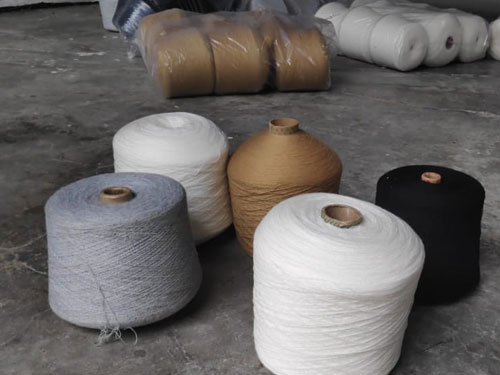
Wool carding and spinning are fundamental steps in the handmade carpet making process. These stages transform raw, washed wool into fine, workable yarns ready for dyeing and weaving. Both processes require skill, precision, and traditional tools, and greatly influence the texture, durability, and overall quality of the finished carpet.

Carding and spinning are not just technical processes—they are essential craft traditions in rug making. Mastery of these steps ensures that each rug begins with a solid foundation of strong, high-quality yarn, resulting in carpets that are both beautiful and built to last.

Color

Role of Colour in the Handmade Carpet Making Process.
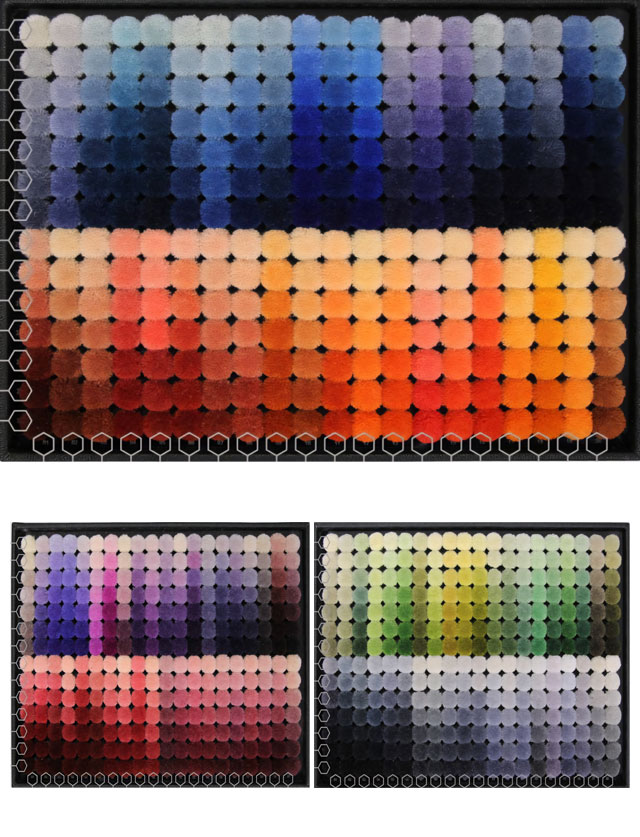
Colour is one of the most essential elements in handmade carpet making. It brings the design to life, adds character, and reflects the craftsmanship and cultural heritage behind each rug. The selection, dyeing, and application of colour in handmade rugs is a skilled, time-intensive process that greatly influences the final appearance, quality, and value of the rug.

Colour in handmade carpets is more than just visual appeal — it's a blend of artistry, science, tradition, and market insight. Whether using age-old natural dyes or modern synthetic techniques, the mastery of colour is what transforms raw wool into timeless works of woven art.

Dyeing

Dyeing in the Handmade Carpet Making Process:-
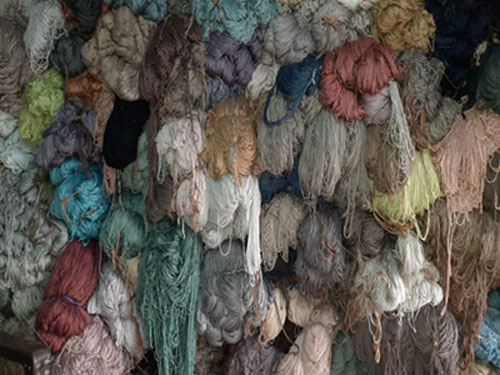
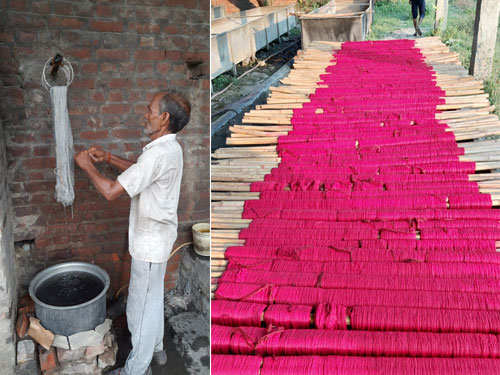
Dyeing is a crucial and artistic step in the handmade carpet making process, where raw wool or other natural fibers are transformed into vibrant, colourful yarns ready for weaving. This stage requires technical precision, deep knowledge of colours, and a mastery of traditional methods to ensure rich, long-lasting hues that define the beauty and character of the finished rug.
Dyeing is not just a technical process—it's an age-old art that brings life, warmth, and emotion to handmade carpets. Whether using ancient natural dyes or modern synthetic ones, the success of a rug’s beauty and durability begins with expert dyeing craftsmanship.

Wool Drying

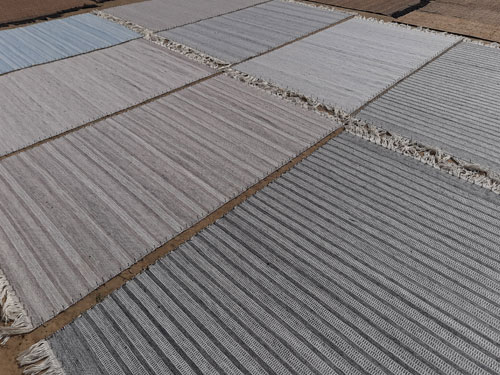
Wool Drying – Sun-Cured the Natural Way:-
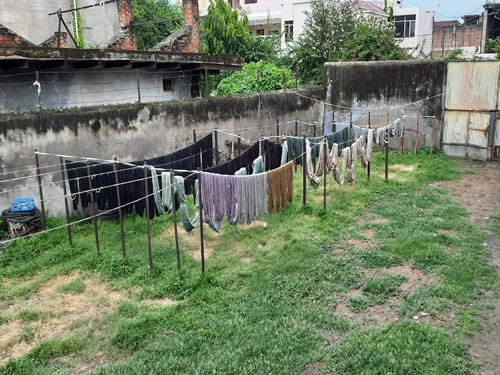
After dyeing process, the wool is carefully spread out under the open sky to dry naturally in the sun. This traditional sun-drying method not only removes residual moisture but also helps purify the fibers, enhancing their softness and strength without the use of harsh chemicals or artificial heat.
Sun drying preserves the natural oils in the wool, maintaining its durability, rich texture, and earthy fragrance. By embracing this age-old, eco-friendly process, we ensure that every rug begins with wool that’s naturally fresh, clean, and ready for the next stage of handcrafting.
Nature’s warmth. Pure fibers. The foundation of a lasting rug.

Weaving

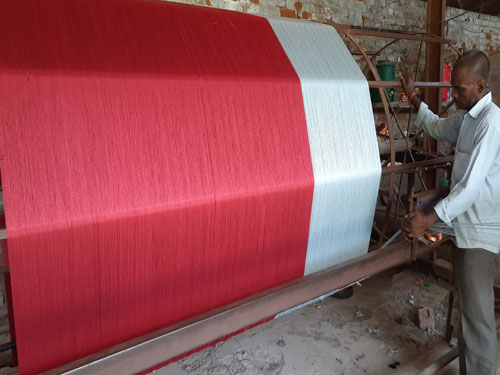
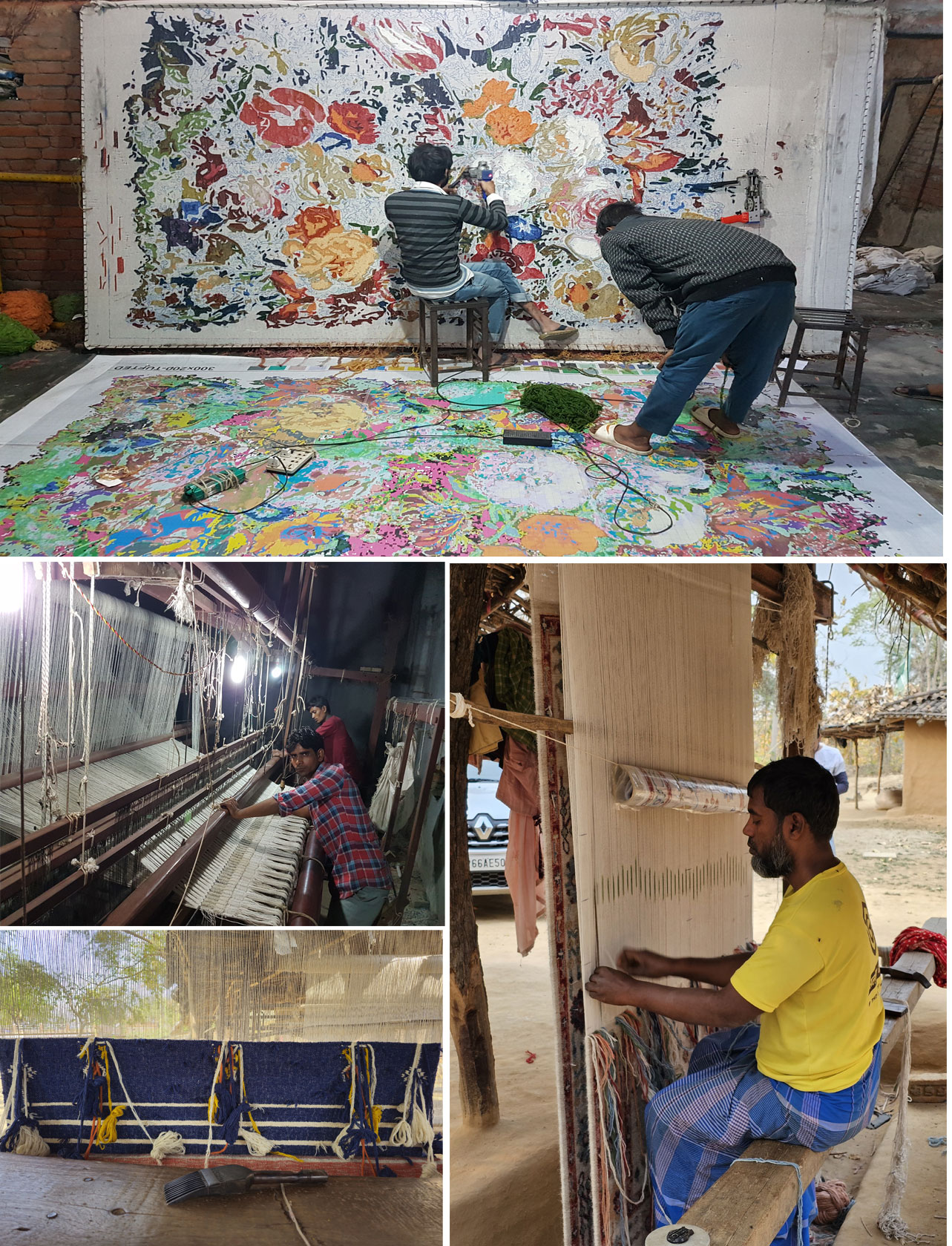
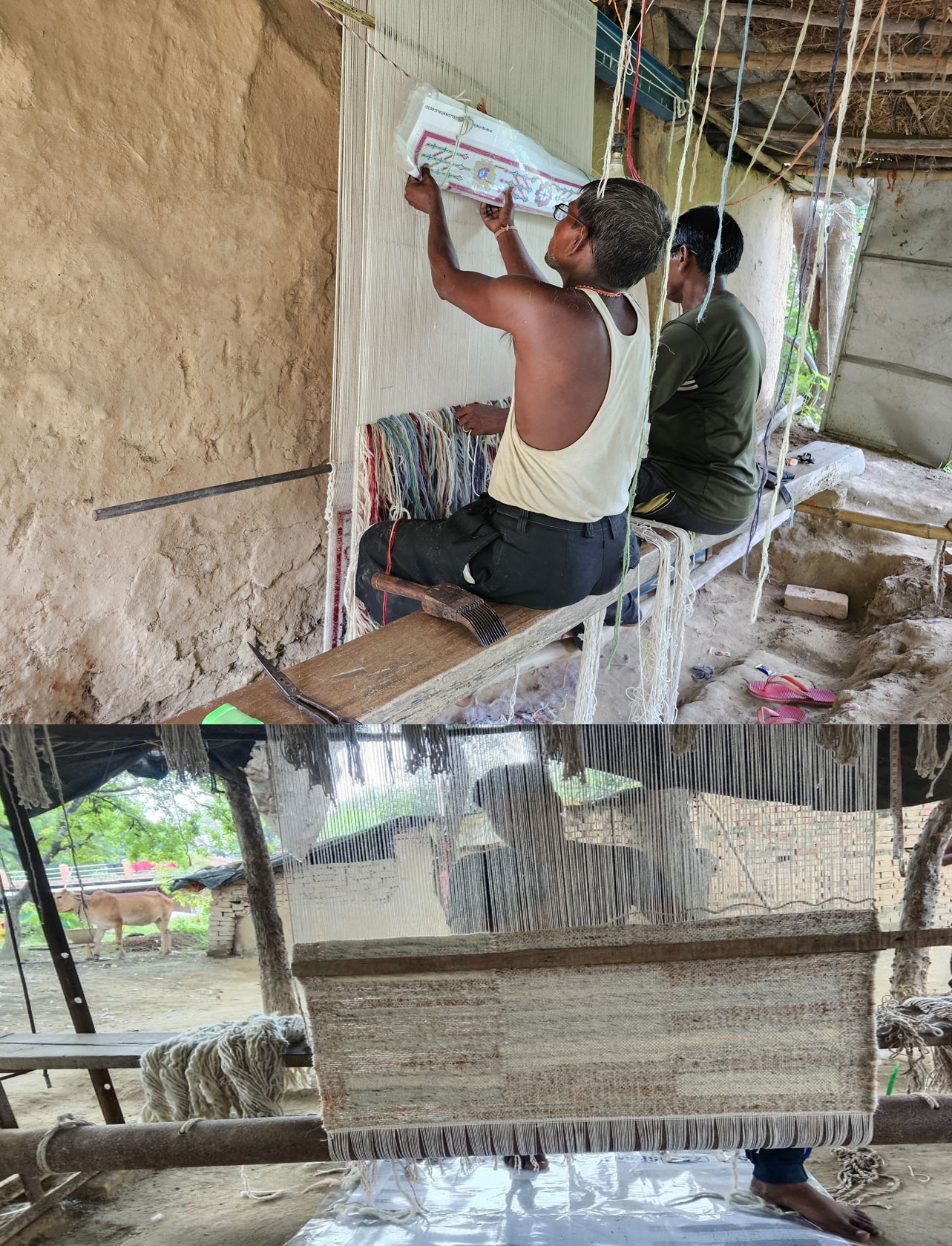
Weaving is the heart of the handmade carpet-making process — the stage where dyed yarns are meticulously crafted into beautiful, functional rugs. This process transforms raw materials into intricate works of art using traditional looms, skilled hands, and time-honored techniques.:-

1. What is Weaving in Carpets?

Weaving is the process of interlacing warp (vertical threads) and weft (horizontal threads) with knotted or looped yarns to create the rug's structure, design, and texture. This step determines the final pattern, density, durability, and value of the carpet.
2. Main Types of Handmade Carpet Weaving:-
A. Hand-Knotted Weaving (Persian or Tibetan style)
Each knot is tied individually onto the warp threads.
Time-consuming but results in high-quality, long-lasting rugs.
Knot density (measured in KPSI or knots per square inch) defines fineness.
Styles include: Persian Knot (Senneh Knot) – asymmetrical
Turkish Knot (Ghiordes Knot) – symmetrical:-
Tibetan Knot – uses a rod and loop technique:-
B. Hand-Tufted Weaving:-
Yarns are punched into a pre-woven fabric (usually canvas) using a tufting gun.
Quicker production, ideal for custom and modern designs.
Backing is added with latex for stability.
More affordable than hand-knotted but less durable.
C. Flat Weave (Durrie or Kilim)
No knots – designs are formed by interweaving the warp and weft.
Lightweight, reversible, and ideal for casual spaces.
Popular for geometric and tribal patterns.
D. Soumak Weave:-

A decorative flatweave with embroidered or wrapped weft yarns.
Creates a textured surface and often used in combination with kilims.

3. Key Components of Weaving:-

Component Description:-
Loom Frame where weaving takes place (vertical or horizontal)
Warp Vertical threads stretched tightly on the loom
Weft Horizontal threads woven across the warp
Pile Yarn The wool (or silk) used for knots or loops
Comb/Beater Tool used to press knots/wefts tightly into place.

5. Time & Skill:-

A small hand-knotted rug can take weeks to months.
Large, high-density rugs may take several months to over a year, depending on complexity.
Master weavers can work with extreme precision, producing museum-quality pieces.
Weaving is the soul of carpet making — a blend of art, craftsmanship, patience, and tradition. Whether it’s a finely knotted Persian carpet or a modern hand-tufted piece, each rug tells a story woven one thread at a time.

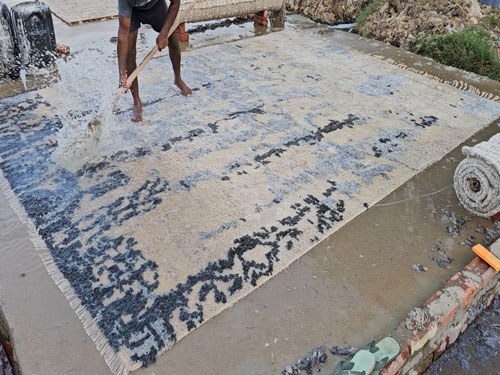
Washing

Carpets are washed to bring out the natural sheen in the yarns used and dislodge any dirt from the finished weaved carpet.

Stretching

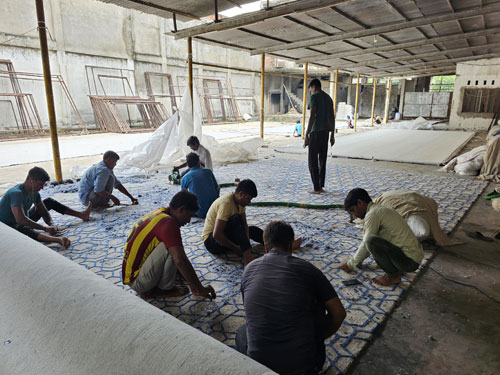
Stretching Process of Handmade Carpets:-
The stretching process is a vital finishing step in handmade carpet production. After a rug is woven and removed from the loom, it often needs to be stretched and blocked to restore its intended shape, proportions, and flatness. This ensures that the final product lays evenly, looks symmetrical, and is ready for sale or export.
The stretching process ensures that a handmade carpet achieves its final perfect form—symmetrical, straight-edged, and flat. It’s a finishing touch that reflects attention to detail and craftsmanship, enhancing the rug’s visual appeal and functionality.

Binding

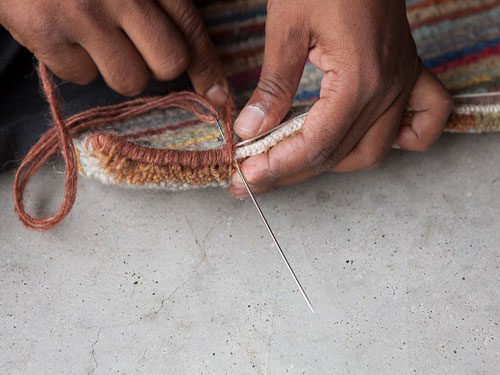
The binding process is the final finishing stage in handmade carpet production. It involves securing the edges of the carpet to prevent unraveling and to give the rug a clean, professional look. Here's a detailed explanation:
Purpose of Binding:-
Prevents fraying: Ensures the edges of the carpet don’t come apart.
Enhances durability: Protects the rug's structure, especially in high-traffic areas.
Aesthetic finishing: Gives a neat and defined border, improving the rug's appearance.
The binding process is essential to enhance the longevity, safety, and visual appeal of a handmade carpet. It's the last but crucial touch before the rug reaches its final destination.

Clipping & Embossing

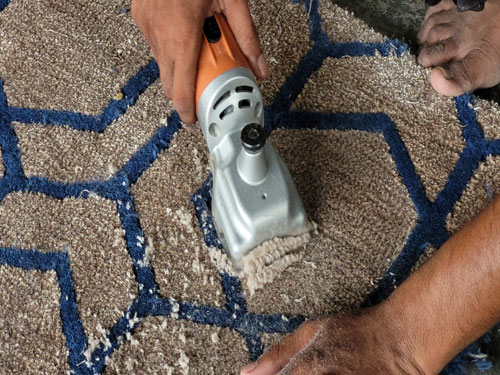
The clipping and embossing stage is a crucial part of finishing handmade rugs. These techniques refine the surface texture, enhance design clarity, and give depth and dimension to the rug’s appearance.:-
1. Clipping Process-
Purpose:
Clipping involves trimming the pile (the surface yarns) of the rug to an even height or in varying levels to enhance the design.
Benefits:-
Enhances sharpness and visibility of patterns.
Improves texture and touch.
Prepares the rug for further detailing like embossing.
2. Embossing Process:-
Purpose:-

Embossing gives a 3D effect by cutting certain parts of the rug lower than others, making motifs or elements appear raised.
Benefits:-
Adds a luxurious sculpted texture.
Makes intricate designs more prominent.
Increases visual interest and uniqueness.
The clipping and embossing processes are essential for giving a handmade rug its final personality. They bring clarity, texture, and elegance—turning a rug into a work of art.

Finishing and Inspection

The finishing process is the final and most important stage before a handmade rug is packed and shipped. It ensures the rug is clean, perfectly shaped, aesthetically enhanced, and ready for customer use.
Inspection
Rugs are carefully checked for defects, loose knots, or irregularities.
Corrections are made by skilled craftsmen if needed (repairing edges, fixing weaves, etc.)
The rug is brushed and polished to make it visually appealing and dust-free.
Often vacuumed and rolled on the reverse side to protect the pile.

Packing

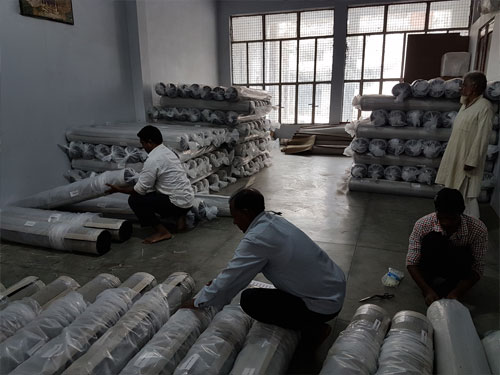
The packing process of handmade rugs is a vital final step that ensures the rug is protected, presented professionally, and ready for safe transport—whether for export, retail delivery, or storage.

Step-by-Step Packing Process:

1. Final Cleaning:

The rug is vacuumed and brushed to remove any remaining dust or loose fibers.
Ensures a clean surface before rolling and packing.

2. Rolling the Rug:

Rugs are rolled carefully with the pile side inwards to protect the design and texture.
For certain delicate rugs, a layer of butter paper, muslin cloth, or soft fabric is wrapped before rolling.
Folding is avoided unless specified, as it may cause creases or damage.
3>3. Wrapping: After rolling, rugs are wrapped in plastic sheets (polyethylene) or cotton/jute fabric to:
Protect against moisture, dust, and sunlight.
Allow some breathability, especially for natural fiber rugs.
In some cases, a double wrapping method is used for international shipments:
Inner wrap: cotton or muslin
Outer wrap: waterproof plastic

4. Labeling and Tagging:

Each rug is tagged with essential information:

Size

Design Name/Code
Material
Origin
Order/Batch Number
Care Instructions (optional)

5. Sealing:

The wrapped rug is tightly sealed using:
Nylon ropes
Packing straps
The packing process of handmade rugs ensures the product is safe, secure, and professional-looking, ready for its journey to showrooms or homes around the world.